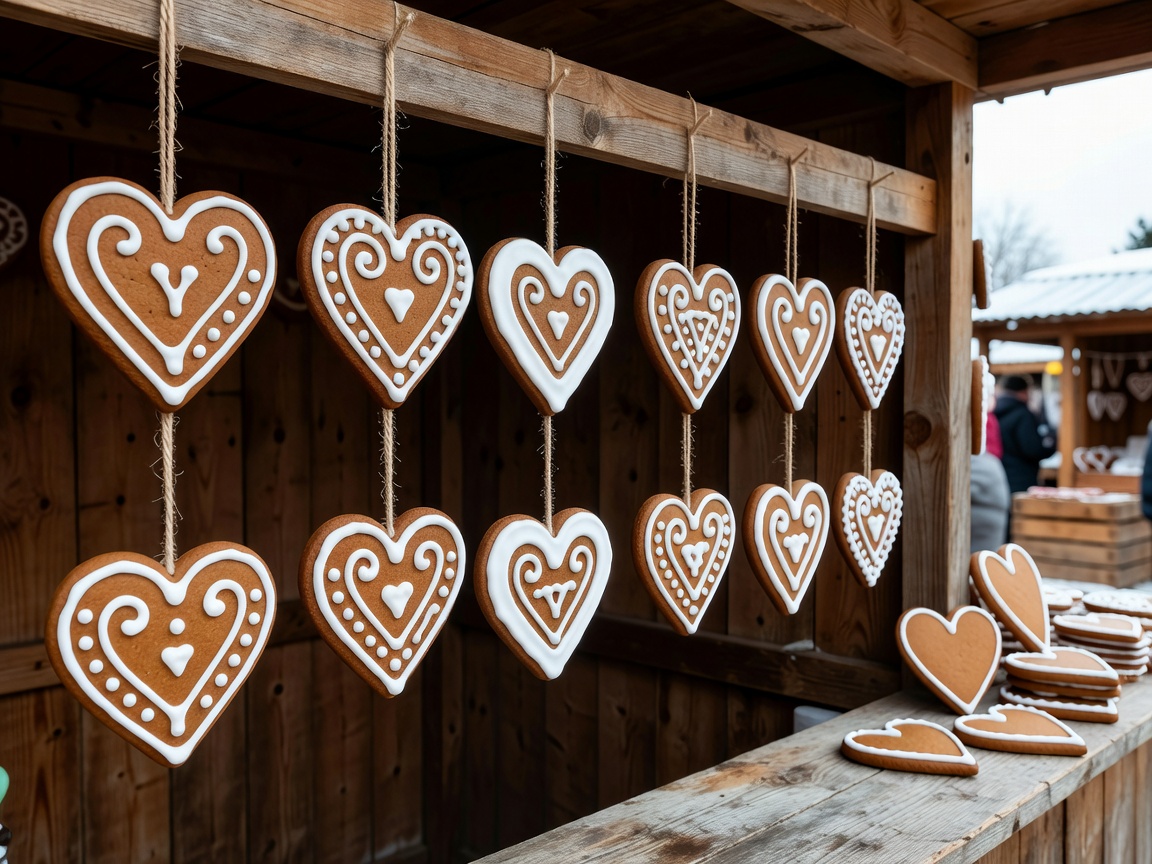
 Germany
's oldest markets
Nuremberg, Dresden, Cologne, Munich, Rothenburg and Aachen, with the local foods and crafts that set each apart.
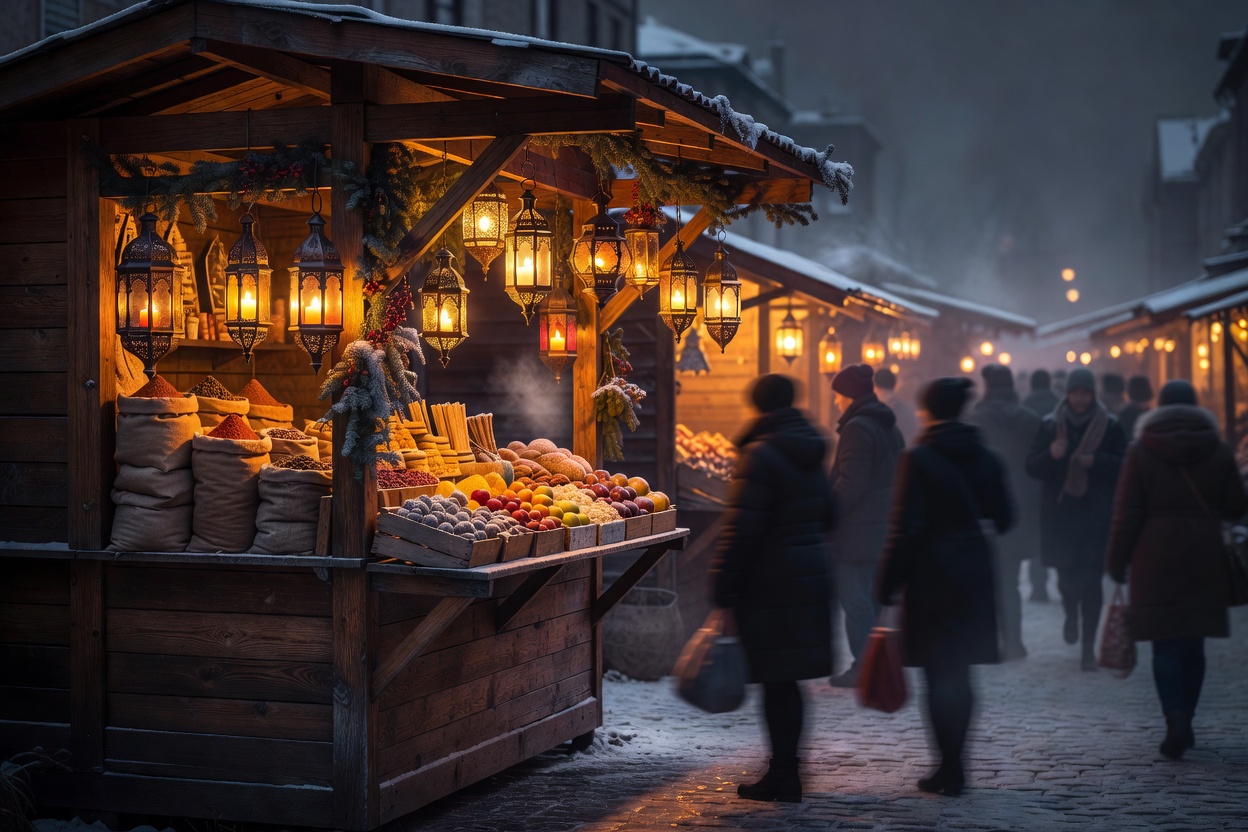
Profiles of the Advent markets that justify a train ticket, from the cathedral squares of Germany and Alsace to the German-style markets of Chicago, Quebec City and Sapporo.
Start with GermanyEvery December, town squares from Nuremberg to Quebec City fill with wooden huts, the smell of clove and roasting almonds, and people holding warm mugs in gloved hands.
The tradition grew out of the winter fairs of German-speaking Central Europe in the late Middle Ages, when towns allowed traders to set up so households could stock up on meat, candles and tools before the hardest weeks of the year. Dresden's Striezelmarkt traces its first recorded edition to 1434. Strasbourg has held a Christmas market since 1570. Over the centuries the practical side faded and the seasonal ritual took over: carved toys, spiced biscuits, nativity figures and hot wine.
The format has since travelled a long way from its origins. German emigrant communities, partnerships between twin cities and private event organisers have carried it to North America and East Asia. Some of these overseas markets are close copies of Bavarian or Saxon originals. Others keep only the wooden huts and the lights and fill them with local crafts.
This site compares those markets city by city. We describe what each one is actually like to visit: the square it occupies, the food and crafts that are specific to the region, how crowded it tends to get, and how it fits into a wider December trip by rail. A market under a Gothic cathedral at dusk is a different outing from one strung along a dozen shopping streets, even if the mugs look alike.
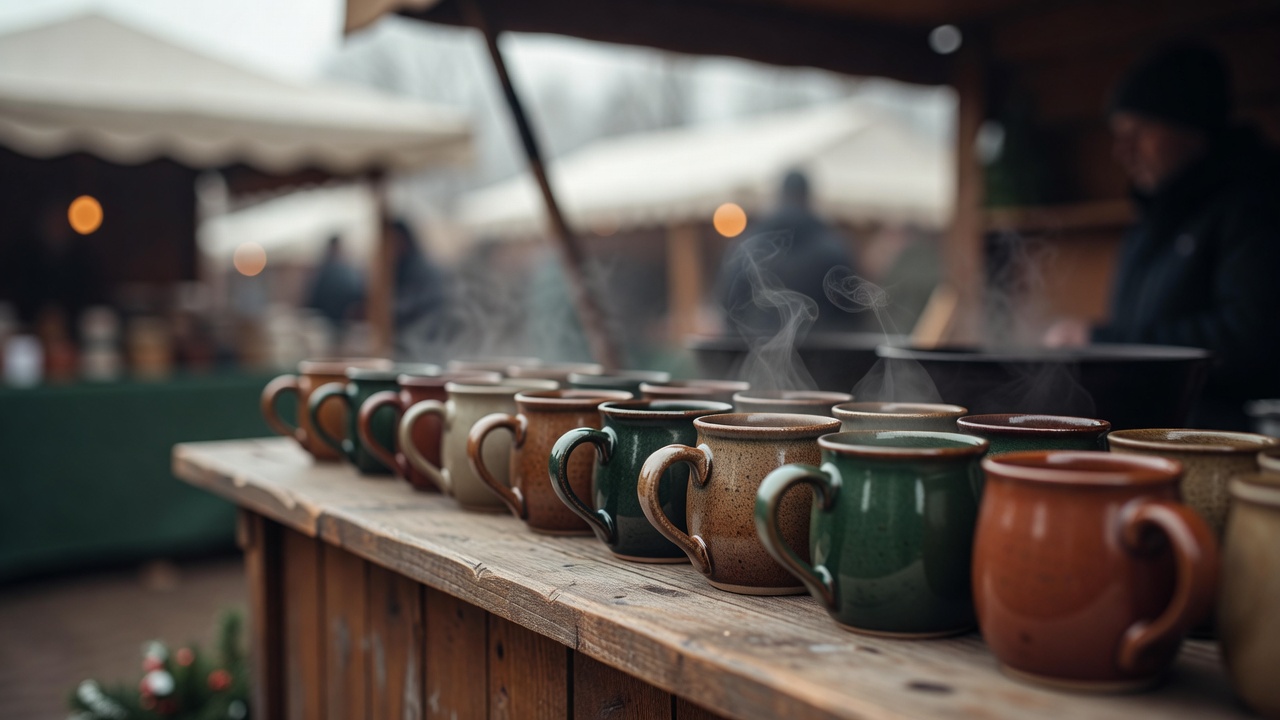
We do not score or rank markets. Each profile explains who is likely to enjoy a market and who might be happier elsewhere. The four main sections each take a different angle, so you can read only the one you need.
GermanyNuremberg, Dresden, Cologne, Munich, Rothenburg and Aachen, with the local foods and crafts that set each apart.
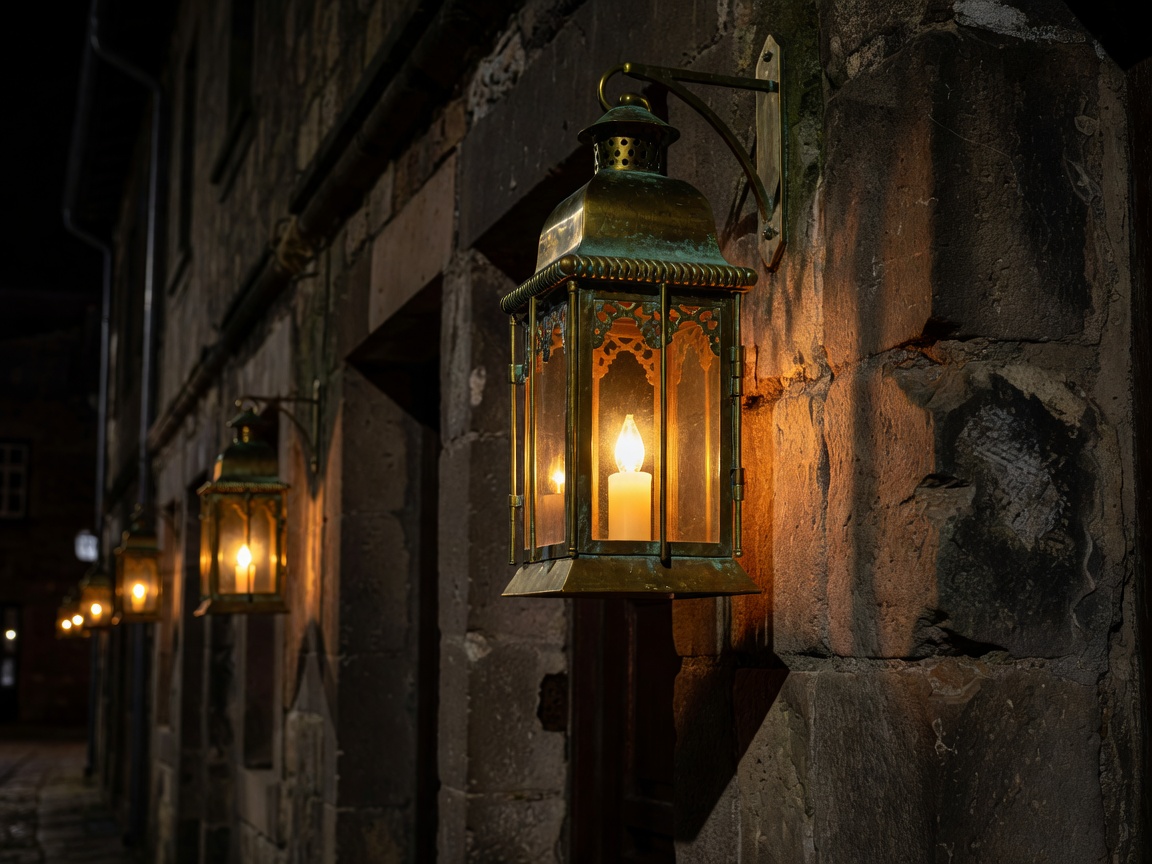 France · Austria · more
Strasbourg and Colmar, Vienna and Salzburg, Prague, Budapest, Kraków, Tallinn, Copenhagen and Brussels.
 USA · Canada · Japan
How the tradition took root in Chicago, New York, Quebec City, Toronto, Sapporo and Yokohama, and how faithful each version is.
 All countries
Opening patterns, deposit mugs, cash and cards, rail routes between market cities, and what survives the flight home.
When we decide whether a market deserves its own profile, we ask the same questions each time:
The best market of a trip is rarely the biggest. It is usually the one where you arrived at the right hour, on a weekday, with nowhere else to be.
Basalt Berry Orchard, editorial note
Most markets in this guide open in the second half of November and close on or just before Christmas Eve, but each city sets its own dates annually and occasionally changes the layout or location of stalls. Treat our descriptions as a starting point and confirm dates with the city or regional tourism office once they are announced, usually in late summer or early autumn.
If you are still deciding where to go, the planning section sets out typical opening patterns and rail connections, and the questions page answers the things travellers most often ask about cash, children and Christmas Day.
Cookies on this site We use necessary cookies to run the site and, with your consent, optional ones to measure visits. You can change this at any time. Read more